Avebury
A Stone Age City Steeped in Magic
While visiting England's West Country, take a drive along the A4361 between Swindon and Devizes. You will follow a road that rolls over the chalk hills and twists around ancient field boundaries, until a long straight section leads you into the village of Avebury and a field of standing stones, some so large they overhang the road.
The village and the road are the most recent additions to this landscape, which was already ancient when the Romans invaded England in 55BC. In fact, the field of standing stones in this quiet corner of Wiltshire is the largest megalithic complex in all of England: a 4500 year old Stone Age city.
The massive henge with its deep ditch and bank may once have held as many as 600 stones. Over the years many have been destroyed. Only 76 remain today. And a further 20 have been located, but are still buried.
But the standing stones are not the only prehistoric monuments in Avebury. Nearby Silbury Hill is the largest man-made mound in pre-industrial Europe. And the long barrows at East and West Kennet add to the significance of the site, as do the recent discoveries of two massive palisades.
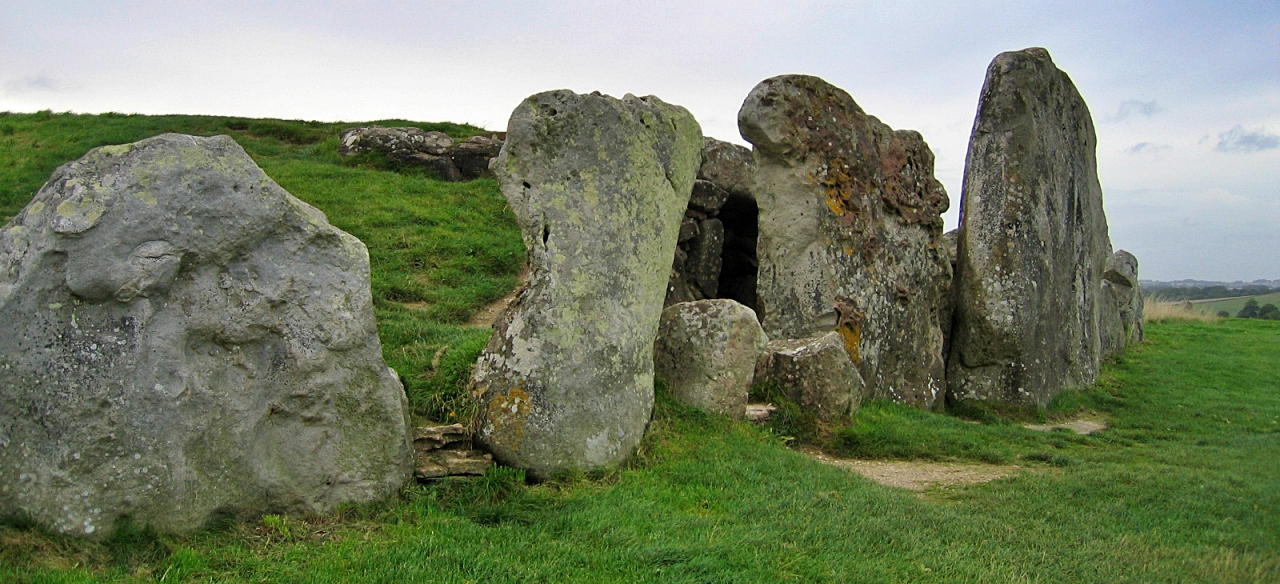 Entrance to West Kennet Long Barrow © essentially-england.com
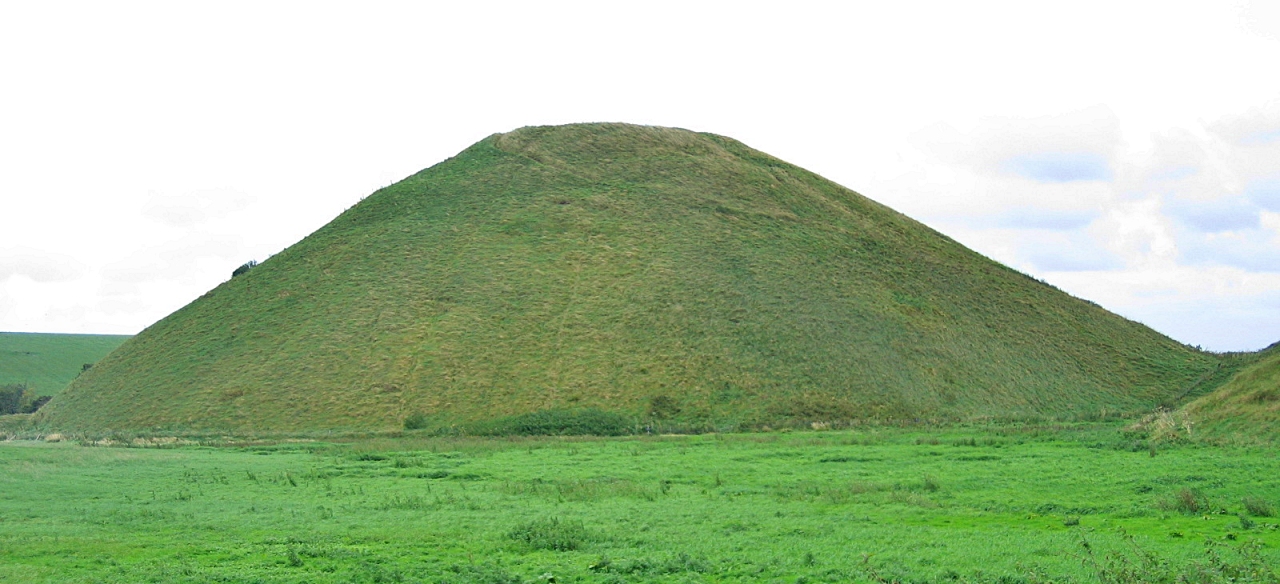 Silbury Hill at Avebury © essentially-england.com
Hundreds of standing stones can be found on Fyfield Down towards the north-east and Oldbury Castle, a 2500-year-old hillfort, lies three miles away across the A4.
Clearly, Avebury has been a focus for people's spiritual lives over many millennia.
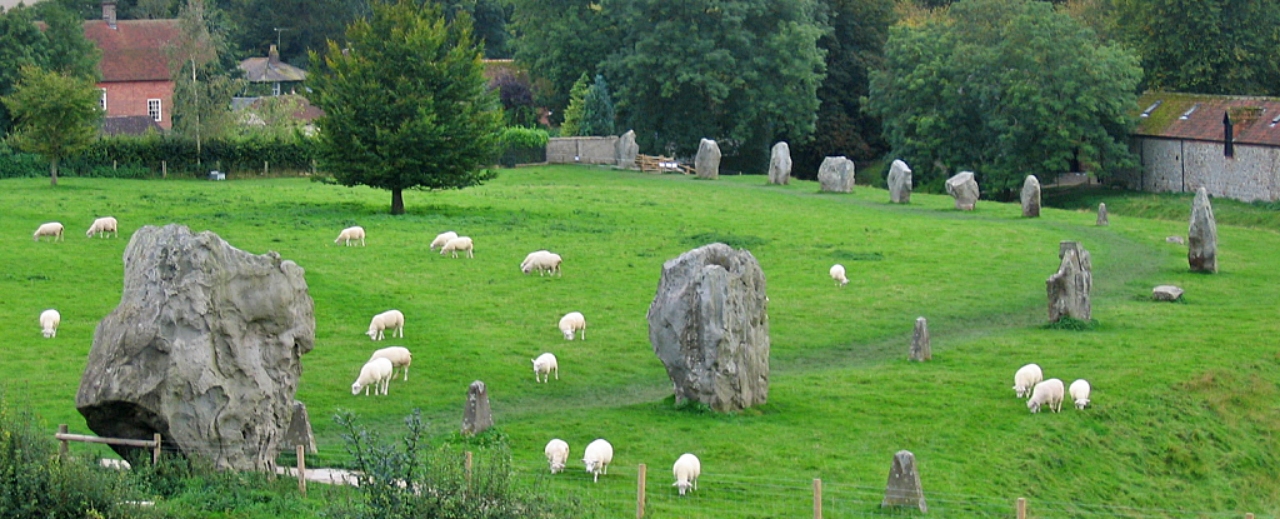 Avebury Stone Circle © essentially-england.com
The Avebury Henge and Avenues
From the air, Avebury looks very much like a four-spoked wheel, a massive circle of almost a mile in circumference, with an entrance at each major compass point.
Around the outside of the circle once stood 98 large sarsen stones. Two smaller stone circles, one of 27 and one of 29 stones, are found within the henge.
In fact, the Avebury henge is so large, that the famous stone circle of Stonehenge would fit inside it about 130 times!
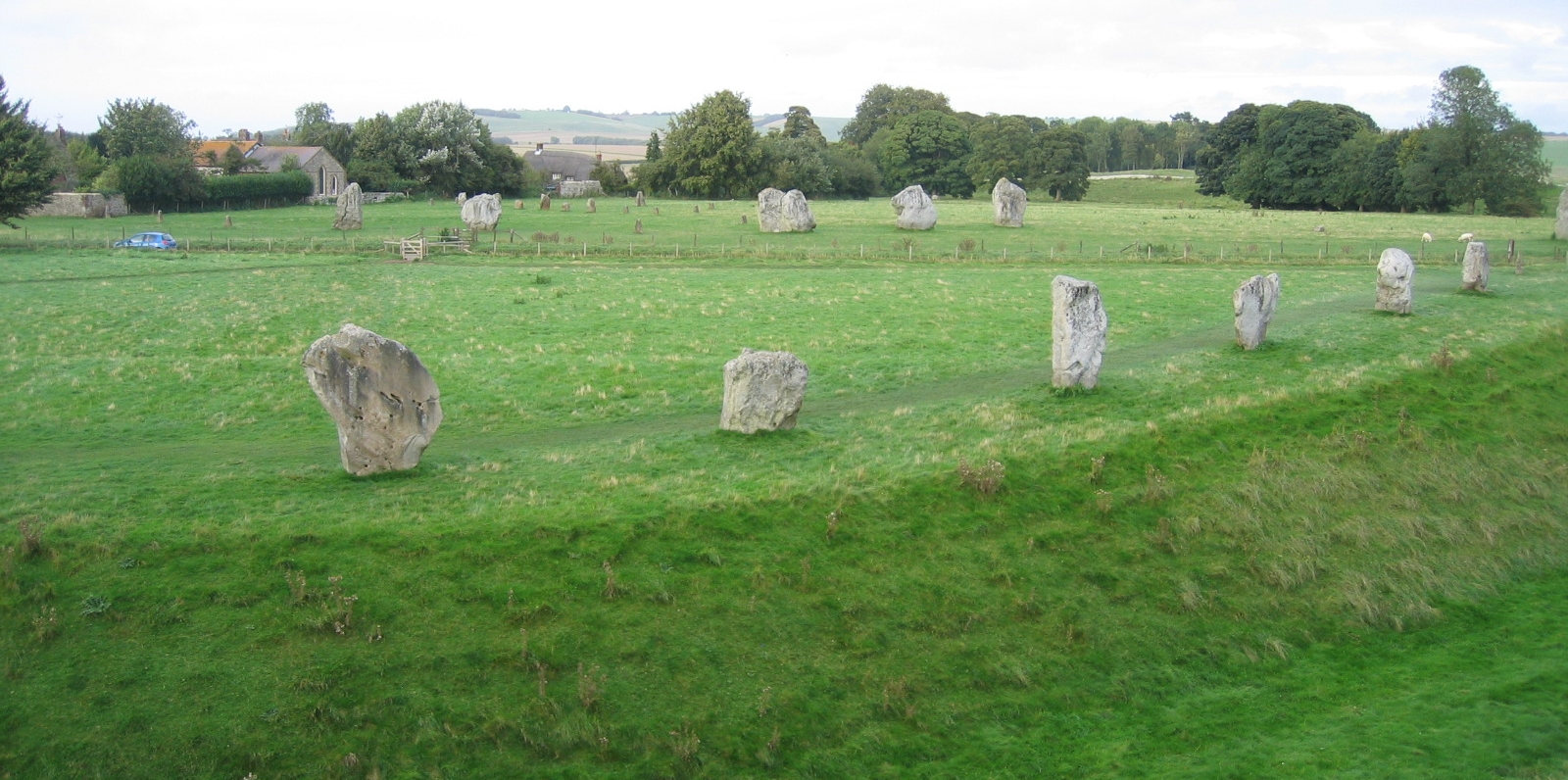 The Ditch Surrounding the Avebury Stone Circle © essentially-england.com
It has been estimated that the ditch was about 30 feet deep and was dug out of the underlying chalk using antlers for pick axes and ox shoulder blades for shovels. And once piled up, the excavated soil would have produced a 55 feet high bank.
Now imagine the whole in brilliant white chalk against the undulating landscape of mainly green and tan. The effect of this edifice must have been mind-boggling.
Construction began around 3000 BC when the Cove and the Sanctuary were built, while the avenues were added later.
Once lined with numerous pairs of tall standing stones, one of the avenues has almost disappeared, while the other, the West Kennet Avenue, is one of the most impressive features of the site. For almost two miles you can follow the stones from the south entrance of the henge to the small circle called "The Sanctuary".
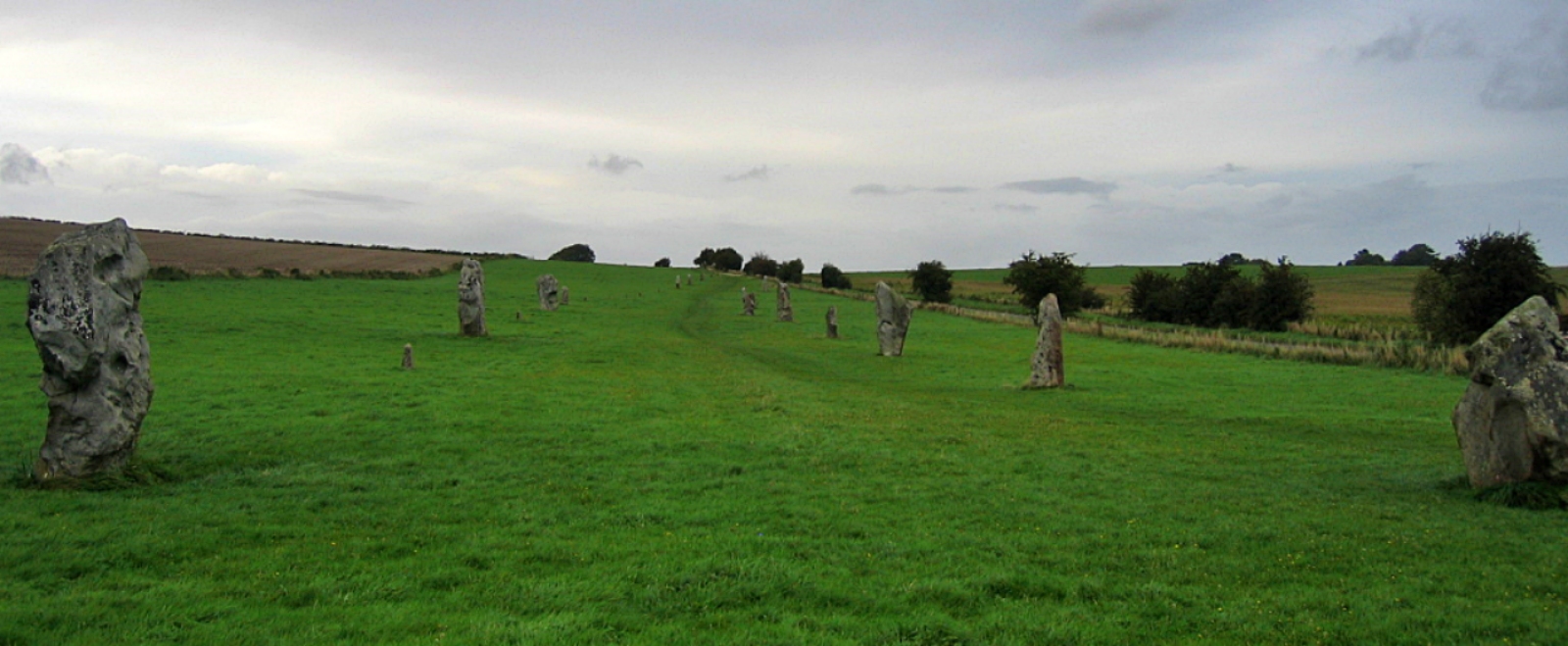 The West Kennet Avenue at Avebury © essentially-england.com
In recent years, further geophysical and archaeological surveys have been carried out in the area.
Palisades have been found between the henge and the sanctuary.
Additional features have been discovered within the henge and await excavation, and it is thought that most of the Sarsen stones of the outer ring have remained - buried - in the circle and could one day be restored to their rightful positions.
We may have no idea at present why these enormous ceremonial sites around Avebury were built and how they were used, but the more we learn, the more chance we have to understand this enduring mystery.
For more information about Avebury please use the English Heritage website.
Visiting Wiltshire?
Where You Could Stay
There is plenty of choice of accommodation in Wiltshire. You may want the convenience of a city like Salisbury, or one of the larger towns like Swindon, Chippenham, or Trowbridge. There are prettier towns such as Corsham and Bradford-on-Avon. Once away from these towns Wiltshire has a rural feel and life will be slower and quieter. Here is a small taste of what is on offer in Wiltshire…

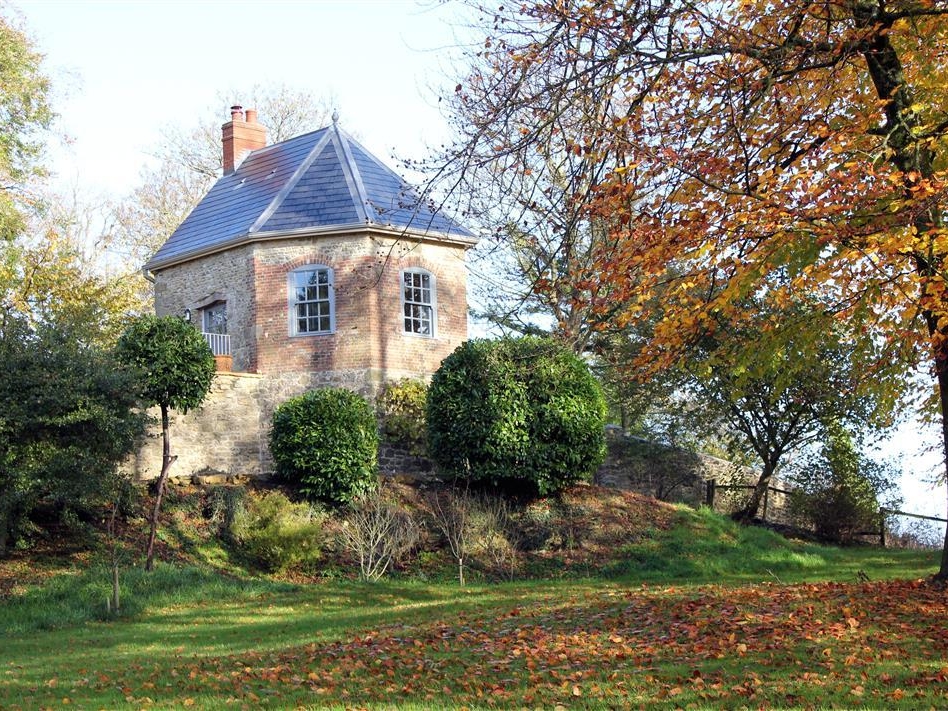
.JPG "Wiltshire Holiday Cottages: The Equestria Barn, Seend | holidaycottages.co.uk")
To see other holiday cottages in Wiltshire click here. Or check out holiday cottages in other parts of England by clicking here.
If you need to find a hotel, then try one of these search platforms...



What You Could See and Do
Stonehenge: Probably the most popular historic site in England and should be on your to do list.
Avebury Stone Circle: a good second to Stonehenge, and in our books better as you can get up close to the stones.
Old Sarum and the city of Salisbury with its medieval cathedral.
The pretty towns of Bradford-on-Avon, Marlborough, Malmesbury, and Corsham.
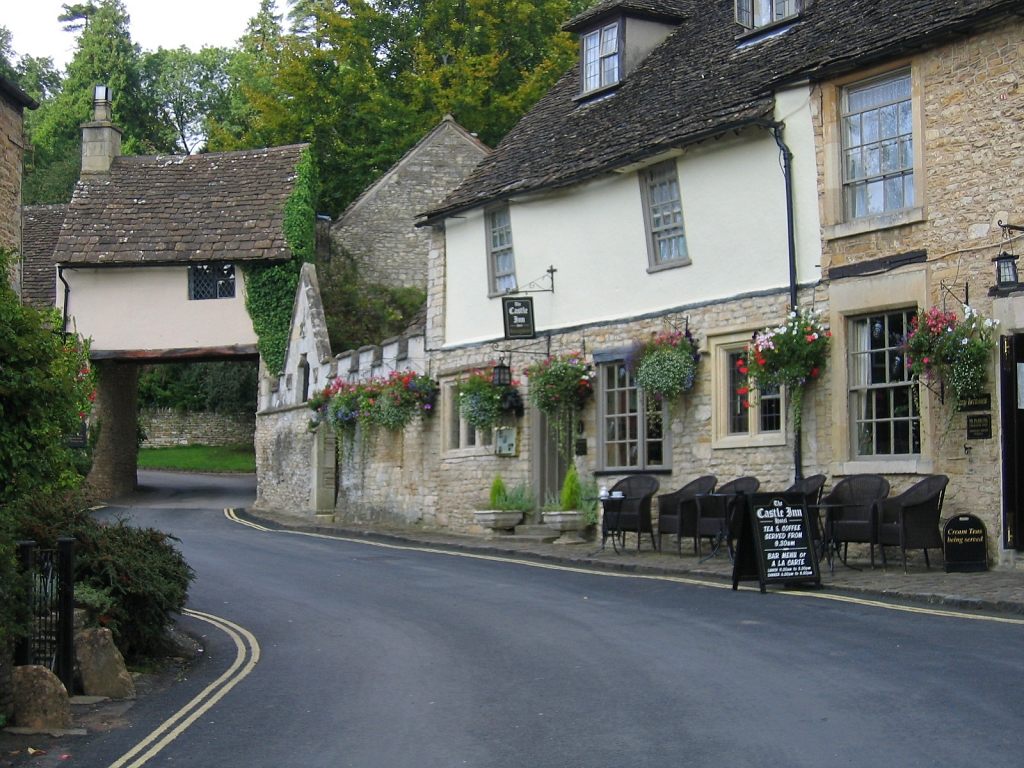
Have a slow wander through what has been claimed as England’s prettiest village, Castle Combe. Both it and Lacock are often used for filming period dramas. Lacock Abbey was used in the Harry Potter films!
Go for a walk in the glorious countryside and find a nice pub for lunch.
Prehistory fan or just curious?
For reviews, comments or just to find
out more about Avebury, stone circles and other prehistoric sites in
England visit our dedicated
Prehistoric England USA Bookshop and our Prehistoric England UK Bookshop
or check out the following pages:
Or return to our Wiltshire home page.
Affiliate Disclosure: Essentially England uses affiliate links. This means that if you purchase something through a link on this site, we may earn a commission (at no extra cost to you).
Welcome to
Essentially England!
We're Steve & Sue, passionate about majestic castles, gorgeous stately homes, cosy pubs, and glorious roasts. Let us help you plan your perfect holiday, a brilliant day out, or simply transport you with a taste of tradition and a dash of history.