Slapton Sands
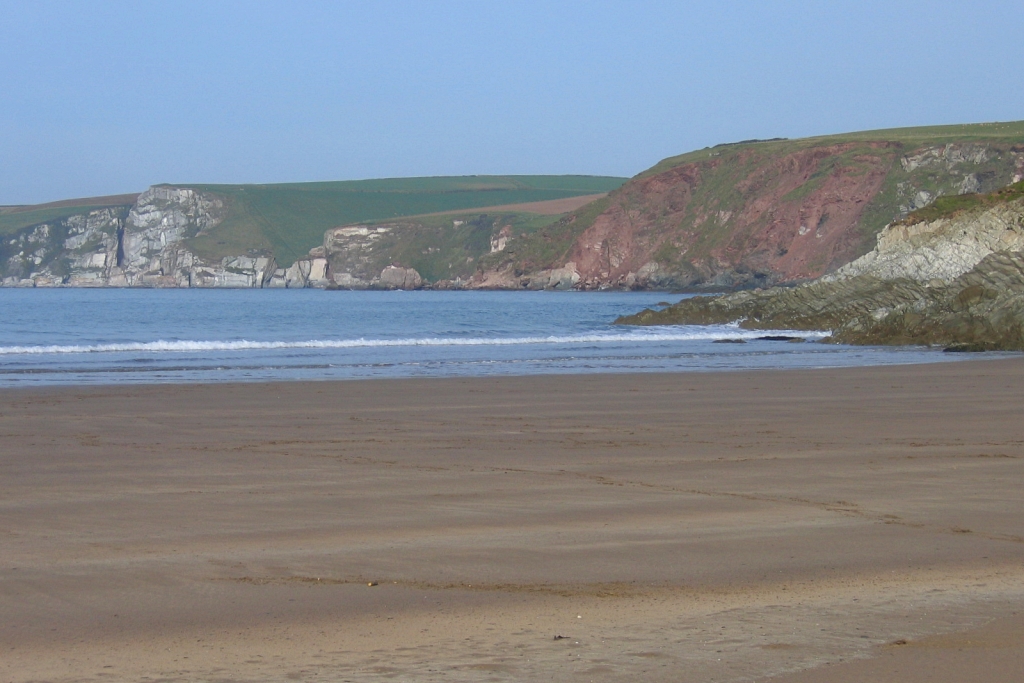
The beauty spot of Slapton Sands, between Kingsbridge and Dartmouth, has a varied and gripping history as well as being one of Devon's loveliest wildlife havens. In the 1370s Slapton Sands was the site of a chantry, a foundation set up specifically to pray for the souls of the dead in order to help them into heaven.
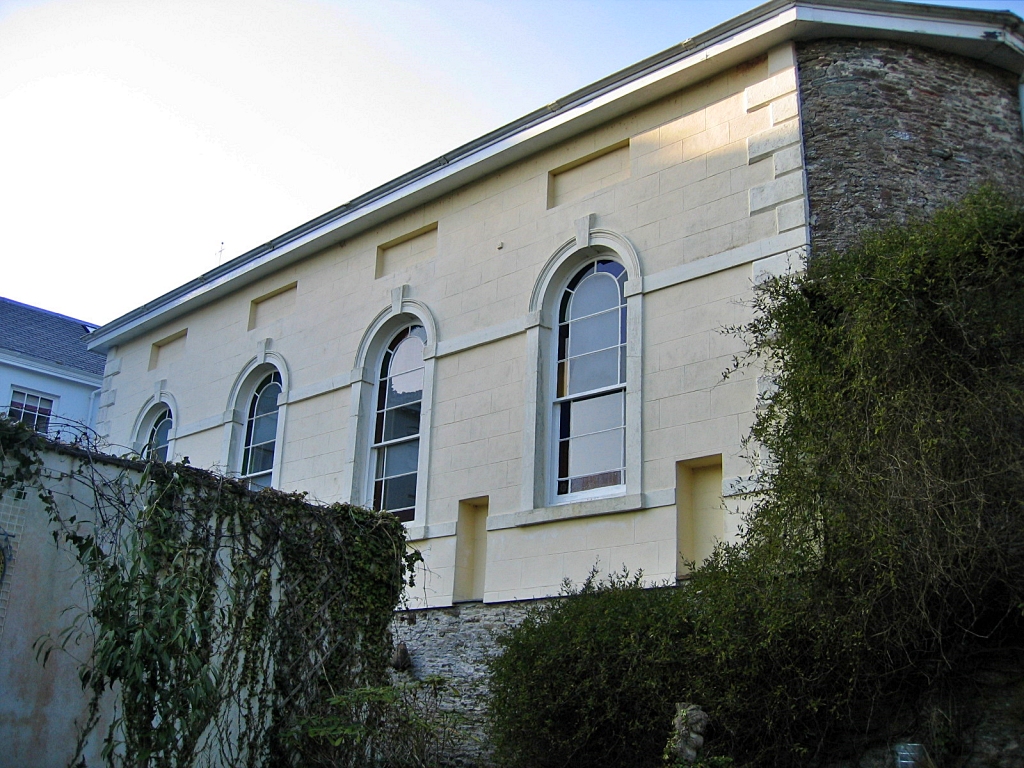
Part of the college buildings in which the priests lived and worshipped is still there, although it is a picturesque ruin and jackdaws rather than chanting priests chatter in the stone tower these days. Slapton village clusters round the chantry and medieval church, and has a number of pretty cottages and inns.
Most noticeable, though is the evidence of more recent and violent history at work: an American tank sits near the pebbly beach and visitors will find a number of plaques and memorials along the seafront road.
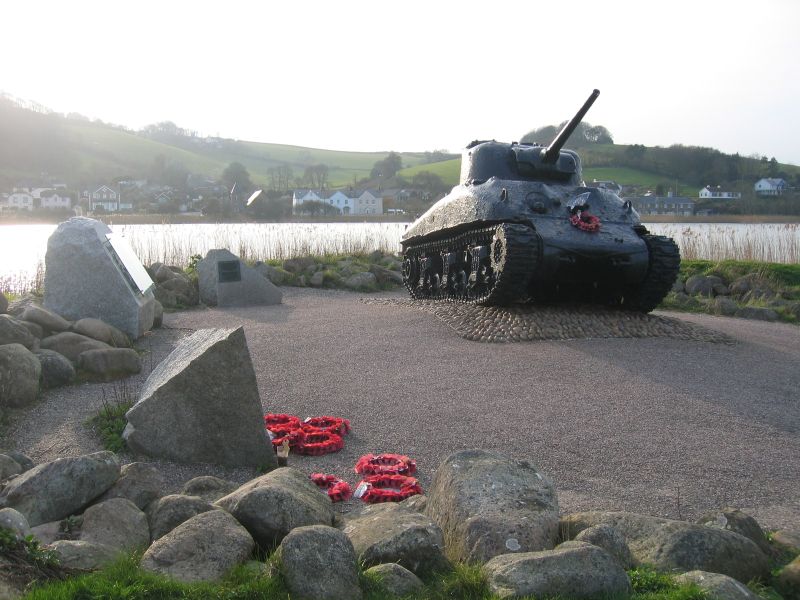 Slapton Sands Memorial © essentially-england.com
The War at Slapton Sands
In April 1944, American troops were training at Slapton for the D-Day invasion of northern France. The beach provided a good model for the conditions they would encounter on the Normandy coast, and landing craft were being beached and soldiers disembarked in practice exercises in daylight and at night.
On the night of the 28th, however, a flotilla of fast German attack boats arrived unexpectedly off the coast and took the trainees by surprise. Many of the American craft were sunk, and over 900 American GIs were killed before they had even had a chance to enter the war.
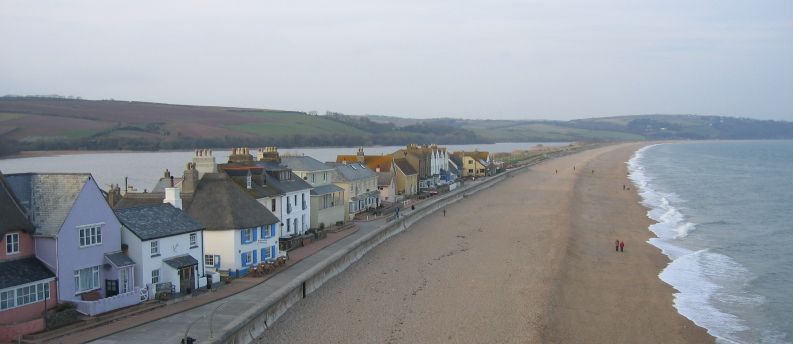 Slapton Sands © essentially-england.com
The Sherman tank that stands on the seafront today was recovered from the sea, having gone down on one of the landing craft, and it has been dedicated as a memorial to the young men who lost their lives.
You will often see poppies, wooden crosses and messages left by those who remember that night or have traced their family history and found a connection to one of the dead GIs.
If you walk along the side of the lake behind the beach, you will see a few concrete defences left over from the live fire exercises on land - one at least still has a bullet embedded in the wall.
Interestingly, S-130, one of the German boats that attacked Slapton and the last survivor of her kind, is currently being restored at a boatyard near Plymouth.
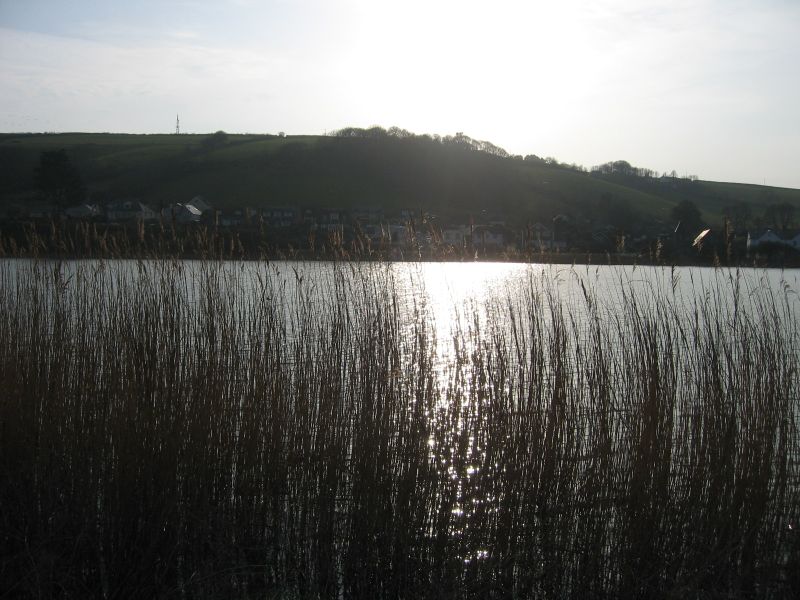 Slapton Sands is a haven for wildlife © essentially-england.com
Slapton is far from a sad place, though, since the 'ley' or lake behind the beach is bursting with life. The 3 mile long shingle ridge protects the ley from the sea and creates a unique freshwater environment, which is a nature reserve, area of outstanding natural beauty (as every visitor will agree!) and site of special scientific interest.
A field studies centre hosts groups of school and university students who come to study the rare plants, marine animals, fish and birds. An identification board helps less expert visitors work out what they have seen - a great crested grebe? A reed warbler? A moorhen or coot? Maybe even a rarity, such as a marsh harrier?
In summer, the ley is an idyllic spot with swallows skimming the water and butterflies enjoying the flowers. If you stand on the pretty little bridge, you may see roach, rudd or perch hanging in the clear brown water. The reeds rustle, the seagulls mew and the world is at peace.
Are You Planning to Visit Devon?
Where You Could Stay
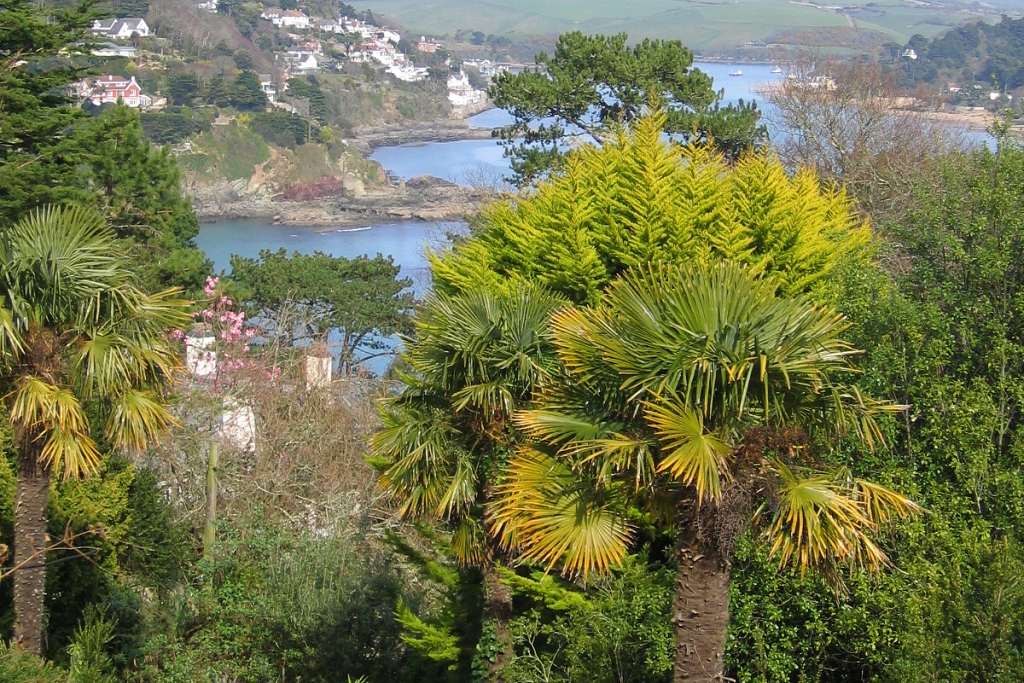
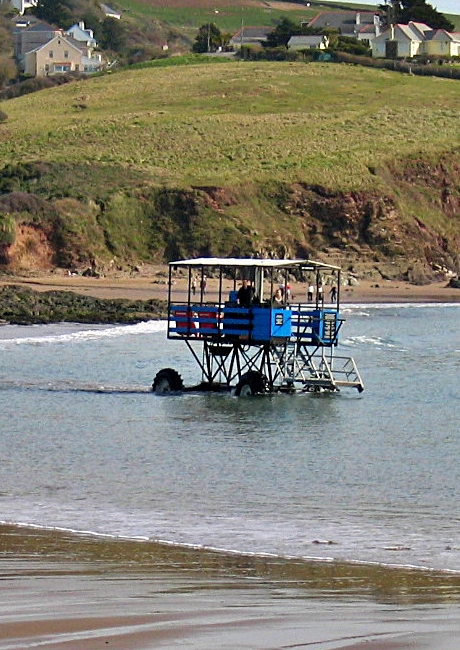
This is such a beautiful part of Devon - with the sea on one side and little villages nestling in green valleys on the other - that many people come for their holidays, often year after year. A good way to explore the area at your leisure is by renting a holiday cottage in Devon.
And here are a few examples of where you could be staying:


To see other holiday cottages in Devon click here. Or check out holiday cottages in other parts of England by clicking here.
Or you could try a family-orientated holiday resort in Devon. There's plenty of choice...
If you need to find a hotel, then try one of these search platforms...
What You Could See and Do
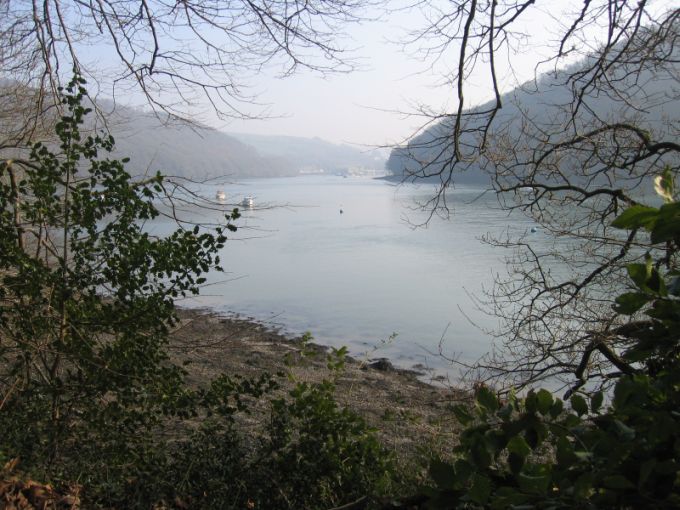
Dartmouth and the South Devon coast are a paradise for sailors of all ages and abilities. So if messing around in boats on the water is your kind of holiday, then you're in just the right place.
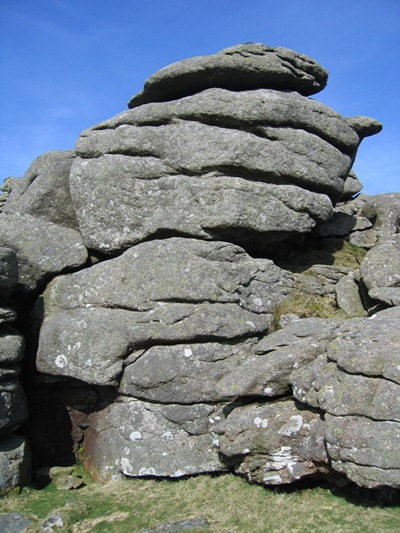
But with the coastal path on one side and the Devon countryside on the other, this area is also great for walking. Besides Slapton Sands and its beautiful nature reserve there are villages, hillsides, cliffs and beaches to explore. And just a short drive will take you up to the wilds of Dartmoor, to rocks and endless skies and tales of smugglers and giant hounds.
Why not check out
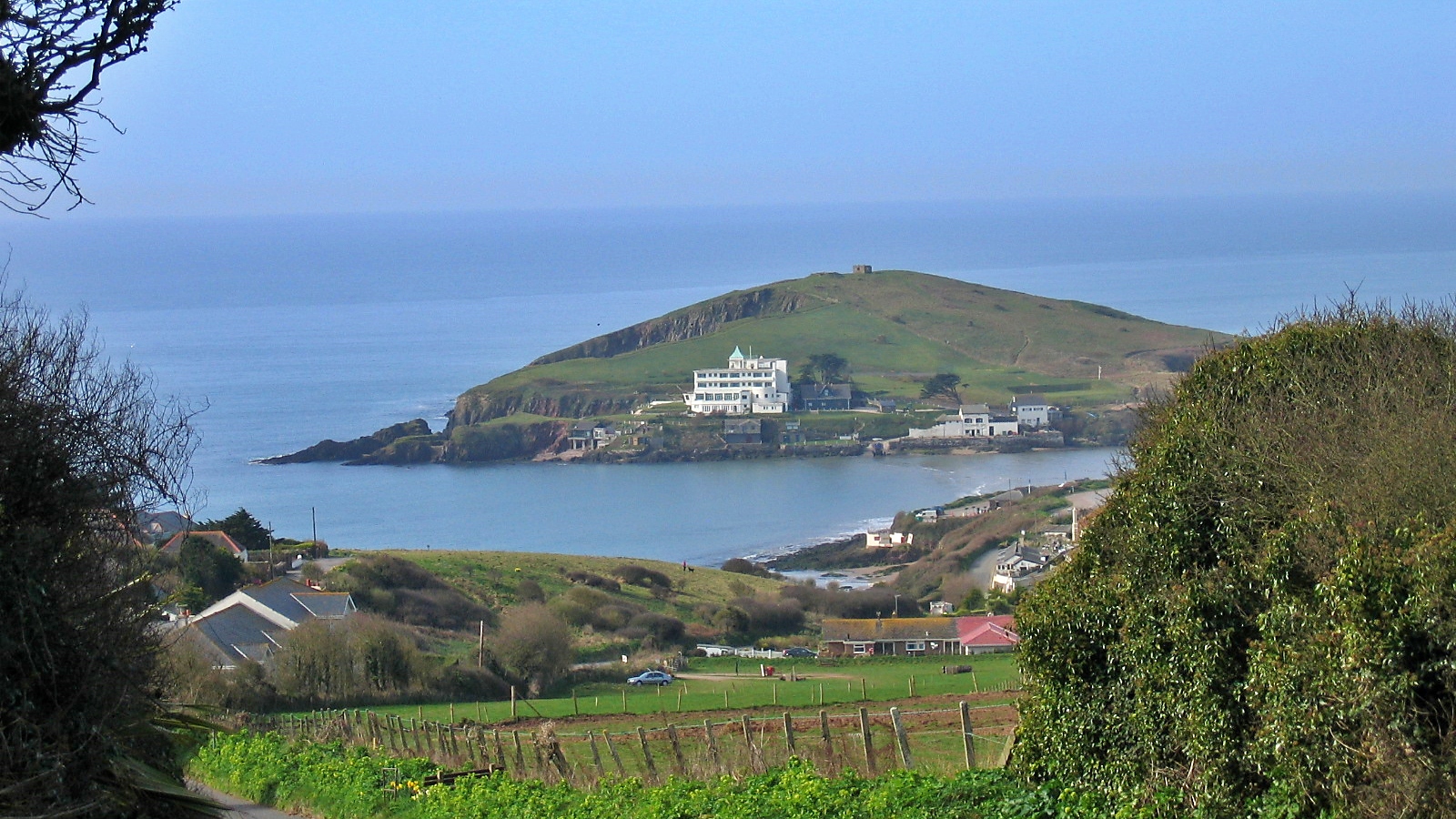
- Burgh Island
- Dartmoor Ponies
- Brentor
- Hound Tor
- Agatha Christie's Greenway
- The Golden Hind
- Lydford Castle
Return from Slapton Sands to the Devon pages for more places to explore.
Affiliate Disclosure: Essentially England uses affiliate links. This means that if you purchase something through a link on this site, we may earn a commission (at no extra cost to you).
Welcome to
Essentially England!

We're Steve & Sue, passionate about majestic castles, gorgeous stately homes, cosy pubs, and glorious roasts. Let us help you plan your perfect holiday, a brilliant day out, or simply transport you with a taste of tradition and a dash of history.